
7 Days Rongai Route Kilimanjaro Climb
Approach Kilimanjaro from the quieter, drier north side, with an extra acclimatization day beneath Mawenzi's jagged peaks before the summit push from Kibo Hut.
- Duration
- 7 days
- Route
- Rongai Gate – Simba Camp – Kikelewa Camp – Mawenzi Tarn – Kibo Hut – Uhuru Peak – Horombo Hut – Marangu Gate
- Start / end
- Starts and ends in Moshi or Arusha (pick-up and drop-off at your hotel)
- Best time
- Late June to October and January to early March are usually best, and Rongai's drier northern slopes also make it a good option in November.
- Trip style
- Fully supported camping climb with professional mountain guides, cook and porters, using quality mountain tents, a dining tent and toilet tent. Available as a private climb or on join-in departures.
Tour overview
The Rongai Route is the only trail that approaches Kilimanjaro from the north, close to the Kenyan border. It is quieter than the southern routes, receives less rain, and its gentle, steady gradients make it a great choice for less experienced hikers or anyone climbing in the wetter months.
Our 7-day version includes an acclimatization day at Mawenzi Tarn, a small mountain lake set beneath the jagged spires of Mawenzi, Kilimanjaro's second-highest peak. After crossing the lunar landscape of the Saddle to Kibo Hut, you make your summit push via Gilman's Point to Uhuru Peak (5,895 m), then descend on the Marangu Route to see the other side of the mountain.
Rongai suits first-time trekkers, families with older teens and anyone who prefers a gradual climb with wilderness views. Professional guides, a cook and porters support you throughout.
Highlights
- Quiet northern approach with fewer climbers
- Drier side of Kilimanjaro, good in the shoulder seasons
- Acclimatization day at Mawenzi Tarn beneath Mawenzi peak
- Cross the high-altitude Saddle to Kibo Hut
- Summit via Gilman's Point to Uhuru Peak (5,895 m)
- Descend the Marangu Route for a full traverse of the mountain
Day-by-day itinerary
Day 1Rongai Gate (1,950 m) to Simba Camp (2,600 m)
After a morning pick-up from your hotel, drive around the eastern side of the mountain to the Rongai trailhead near the Kenyan border, about 3 to 4 hours from Moshi including registration at Marangu Gate. After lunch, the trail begins gently through farmland and pine plantations before entering a band of forest where colobus monkeys are often seen. The walk takes about 3 to 4 hours. Reach Simba Camp on the edge of the moorland in time for dinner and a clear evening sky.
Day 2Simba Camp to Kikelewa Camp (3,600 m)
Climb steadily through open moorland toward the jagged peaks of Mawenzi, with wide views back over the plains of Kenya. Stop for lunch near Second Cave, at around 3,450 meters, then leave the main trail and head across the moorland to Kikelewa Camp, set in a sheltered valley among giant groundsels. The walk takes about 6 to 7 hours at a gentle pace. The camp is quiet and offers beautiful sunsets over the northern plains.
Day 3Kikelewa Camp to Mawenzi Tarn (4,330 m)
A short but steep climb of about 3 to 4 hours takes you up grassy slopes and into alpine desert to Mawenzi Tarn Camp, beside a small glacial lake beneath the towering spires of Mawenzi. Arrive in time for lunch, then rest and let your body adjust to the higher altitude. In the late afternoon, you may take a short walk with your guide to look around the tarn and enjoy the dramatic rock scenery as the light fades.
Day 4Acclimatization day at Mawenzi Tarn
Today is dedicated to acclimatization. After a relaxed breakfast, hike with your guide up the ridges toward Mawenzi, gaining a few hundred meters before returning to camp for lunch. Climbing higher and sleeping at the same level helps your body produce more red blood cells and prepares you for summit night. The afternoon is free to rest, read, drink plenty of water and enjoy the views of Kibo's summit across the Saddle. Your guide carries out your daily health check.
Day 5Mawenzi Tarn to Kibo Hut (4,700 m)
Cross the Saddle, a vast, high-altitude desert between Mawenzi and Kibo, with the summit cone growing larger with every step. The terrain is flat to gently rising, and the walk takes about 5 to 6 hours. Arrive at Kibo Hut, the base camp for the summit, by early afternoon. Spend the rest of the day resting and preparing your summit gear, with a detailed briefing from your guide. Eat an early dinner and sleep before the wake-up call shortly before midnight.
Day 6Summit Uhuru Peak (5,895 m), descend to Horombo Hut (3,720 m)
Start around midnight, climbing by headlamp up the steep zigzags of the scree slope past Hans Meyer Cave to Gilman's Point on the crater rim, usually in about 5 to 6 hours. Continue along the rim past Stella Point to Uhuru Peak, reaching the highest point in Africa around sunrise. After photos, descend to Kibo Hut for rest and a meal, then continue down to Horombo Hut. Expect a long day of about 11 to 15 hours on your feet.
Day 7Horombo Hut to Marangu Gate (1,860 m) and Moshi
After breakfast and a farewell song from your crew, descend through moorland and into the rainforest, passing Mandara Hut on the way to Marangu Gate. The walk takes about 5 to 6 hours. At the gate you sign out of the park and receive your summit certificate, and this is the customary time to thank your crew with tips. After lunch, transfer back to your hotel in Moshi or Arusha to celebrate your achievement with a hot shower and a good meal.
What is included
- Return transfers between your Moshi or Arusha hotel and the park gates
- All Kilimanjaro National Park fees, including conservation, camping and rescue fees
- Professional, certified mountain guides, assistant guides, cook and porters
- Quality mountain tents, sleeping mats, dining tent with table and chairs
- Private portable toilet tent
- All meals on the mountain as listed
- Purified drinking water and hot drinks throughout the climb
- Emergency oxygen, first-aid kit and daily pulse oximeter checks
- Summit certificate
Not included
- International flights
- Tanzania visa
- Travel insurance covering trekking to 6,000 m (compulsory)
- Tips for your guides, cook and porters
- Hotel accommodation before and after the climb
- Sleeping bag, trekking poles and personal gear (rental available)
- Drinks other than water and hot drinks
- Personal items and snacks
Good to know
- The drive to the Rongai trailhead takes several hours, so expect an early start on Day 1.
- Rongai is one of the gentler routes, but summit night from Kibo Hut is steep and long.
- Tipping your mountain crew is a standard and expected part of every Kilimanjaro climb.
- Plan at least one night in Moshi or Arusha before the climb for your briefing and gear check.
Frequently asked questions
Is the Rongai Route easier than Machame?
Rongai has more gradual gradients and no Barranco Wall, so many people find the daily hiking easier. Summit night is similar in difficulty, and the extra day at Mawenzi Tarn helps with acclimatization.
Why is Rongai good in the rainy season?
The northern side of Kilimanjaro lies in a rain shadow and usually receives less rainfall than the southern slopes. This makes Rongai a popular choice in the shoulder months, although weather on the mountain can never be guaranteed.
Where do we sleep on the descent?
You descend on the Marangu Route and spend the last night at Horombo Hut, where climbers usually stay in shared A-frame huts or in tents nearby. The final day takes you down through the rainforest to Marangu Gate.
Similar tours
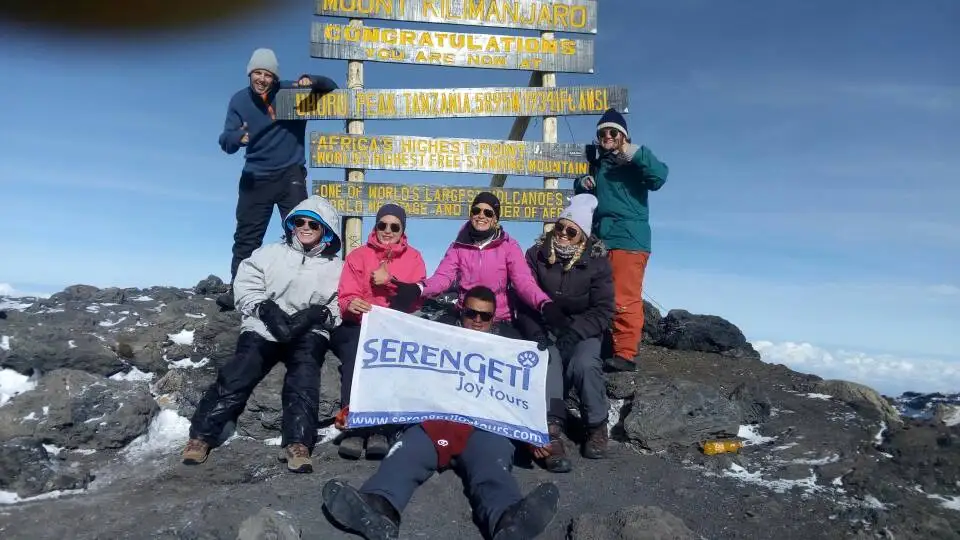 7 days7 Days Machame Route Kilimanjaro ClimbThe scenic Whiskey Route with an extra night at Karanga Camp for better acclimatization, giving you a stronger, more comfortable push to Uhuru Peak.From $1,610 ppView tour →
 7 days7 Days Lemosho Route Kilimanjaro ClimbStart on Kilimanjaro's quiet western slopes and cross the wide Shira Plateau on one of the mountain's most beautiful routes to Uhuru Peak.From $1,860 ppView tour →
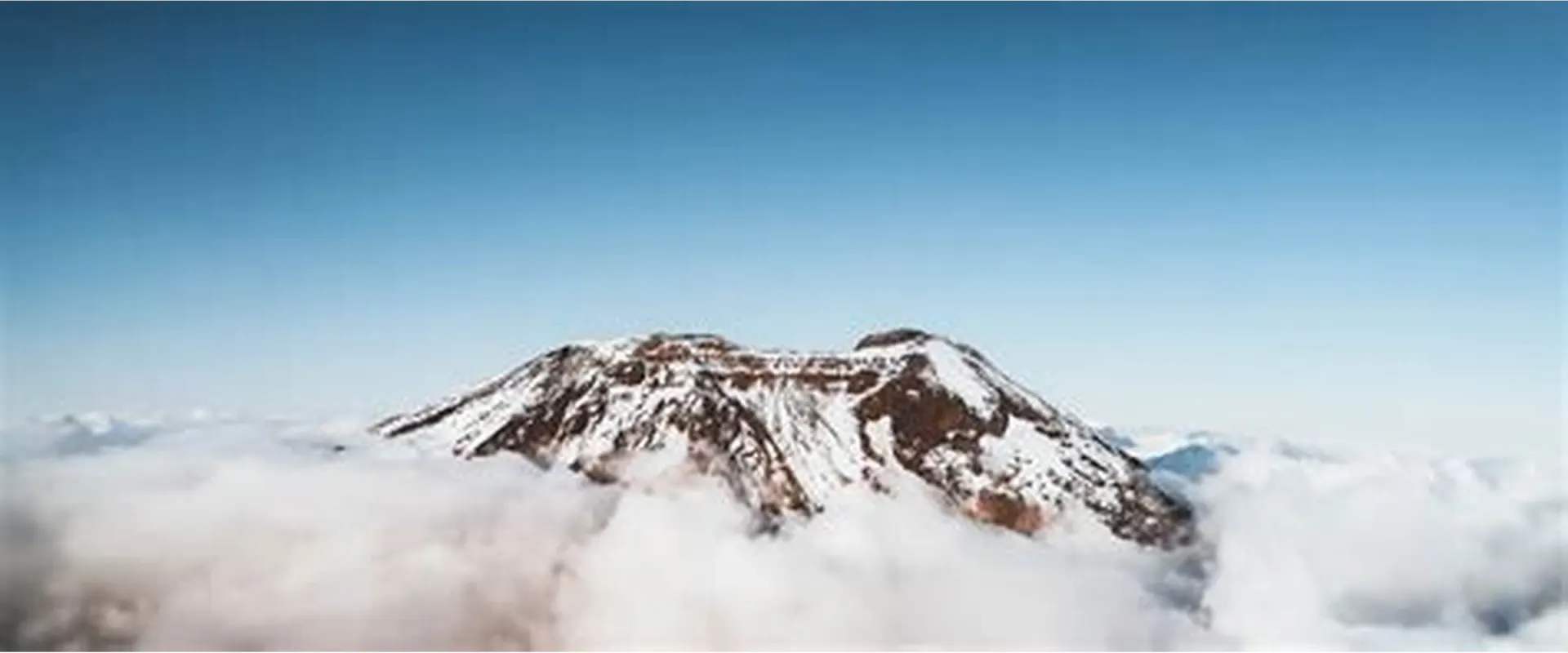 9 days9 Days Northern Circuit Route Kilimanjaro ClimbKilimanjaro's longest and quietest route, circling the remote northern slopes over nine days for the best acclimatization and summit chances on the mountain.From $2,290 ppView tour →