
Tanzania food - Traditional Foods of Tanzania
Tanzania Food Travel Guide
Curious about what makes up a typical meal in Tanzania? You’re in for a treat! The traditional foods of Tanzania offer a vibrant tapestry of flavors that reflect the country’s rich heritage and bountiful lands. Many visitors are surprised by the depth and variety of Tanzania food experiences – dispelling the unfortunate myth that East African cuisine lacks excitement or diversity.
Tanzania’s unique position along ancient trade routes and its incredibly fertile landscape have created the perfect conditions for a food culture that’s both deeply rooted in tradition and wonderfully diverse. With two rainy seasons and plentiful sunshine year-round, the country produces an abundance of fresh ingredients that form the backbone of its distinctive cuisine.
What makes Tanzania food special is how it blends local African staples with influences from across the Indian Ocean.
You’ll taste hints of Middle Eastern spices, Indian cooking techniques, and even European influences that have been adapted and transformed over centuries into something uniquely Tanzanian.
While exploring Tanzania’s magnificent parks and reserves, you’ll find that most safari lodges and hotels offer excellent dining options catering to international tastes. But the real culinary adventure begins when you venture into local eateries and markets to sample authentic dishes that generations of Tanzanians have enjoyed.
This guide invites you to expand your Tanzania experience beyond wildlife and landscapes to include its flavorful food heritage. After all, understanding the traditional foods of Tanzania adds another rich dimension to your journey through this extraordinary East African nation.
What Makes Tanzanian Food Unique?
Tanzanian cuisine has been shaped by several key influences:
- Geographic diversity – From coastal seafood to highland crops, Tanzania’s varied landscapes have created distinct regional cooking styles
- Cultural fusion – A blend of African, Arabic, Indian, and European culinary traditions reflecting Tanzania’s position as a historical trading hub
- Fresh, local ingredients – Most dishes feature locally-grown produce, creating farm-to-table experiences before they became trendy elsewhere
- Communal eating traditions – Food in Tanzania is often served family-style, emphasizing community and togetherness
The result is a cuisine that feels simultaneously familiar and exotic – comforting yet exciting to international palates. While some dishes might remind you of Indian curries or Middle Eastern rice dishes, they’ve evolved with uniquely Tanzanian twists that make them distinctly local.
Tanzanian Dishes You Must Try
Ugali: Tanzania’s Staple Food
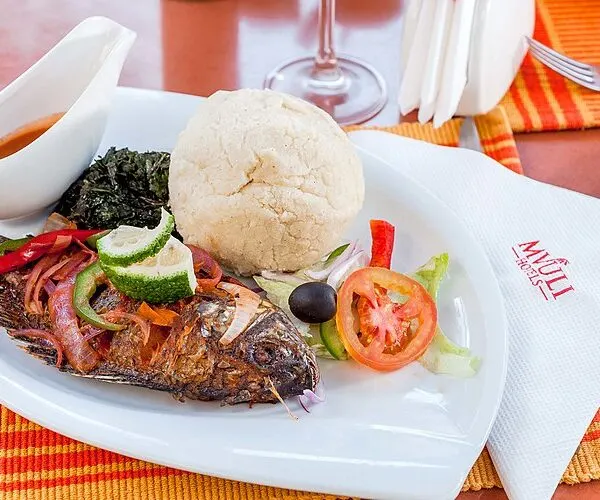
Ugali is to Tanzania what bread is to Europe or rice is to Asia – the foundation of most meals. This stiff porridge made from maize flour (corn meal) might seem plain at first glance, but it serves as the perfect accompaniment to Tanzania’s flavorful stews and sauces.
How to eat it: Locals typically scoop up small portions with their right hand, form it into a small depression, and use it to scoop up sauce or stew. Don’t be afraid to eat with your hands when served ugali – it’s the traditional way!
Where to find the best: Ugali is served everywhere from luxury lodges to local street food vendors. For the most authentic experience, try it at a local “mama lishe” (food mama) establishment in towns like Arusha or Moshi.
Nyama Choma: The Celebrated Grilled Meat
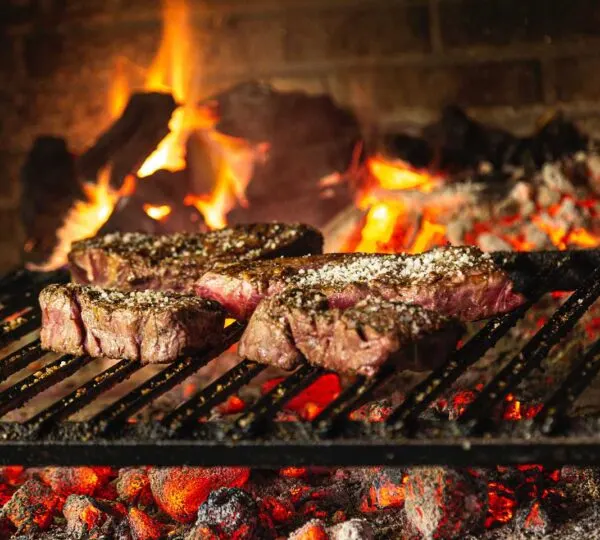
Tanzania’s favorite celebratory dish, nyama choma (literally “burned meat” in Swahili), is much more delicious than its name might suggest. This succulent grilled meat – usually goat or beef – is marinated simply with salt and sometimes lemon juice before being slow-cooked over open flames.
What makes it special: The cooking technique allows the meat’s natural flavors to shine, resulting in tender, smoky perfection. It’s typically served with a side of kachumbari (a fresh tomato and onion salsa) that provides a tangy contrast to the rich meat.
Best places to try it: For an unforgettable nyama choma experience, head to Khan’s BBQ in Arusha or visit any of the popular nyama choma joints along Kimweri Avenue in Dar es Salaam.
Pilau: Spiced Rice with a Tanzanian Twist
While pilau (or pilaf) exists throughout the world, Tanzania’s version stands out with its unique blend of spices. This aromatic rice dish is cooked with a mixture of cardamom, cinnamon, cloves, and cumin, often with meat added for extra flavor.
The secret ingredient: Many Tanzanian cooks add a special pilau masala blend that gives the dish its distinctive taste. The rice is usually cooked in meat broth, adding additional depth of flavor.
When to enjoy it: Pilau is often served at special occasions and celebrations but can be found daily in many restaurants. It’s particularly popular in Zanzibar and coastal regions where the spice trade has historically been important.
Seafood Delights of the Coast
Tanzania’s extensive coastline along the Indian Ocean provides access to incredible seafood. From the famous Zanzibar octopus curry to grilled prawns in coconut sauce, coastal Tanzanian cuisine offers some of the freshest seafood dishes you’ll ever taste.
Must-try dishes:
- Pweza wa Nazi (octopus in coconut sauce)
- Dagaa (small sardine-like fish, often dried)
- Samaki wa Kupaka (fish in coconut curry)
Best coastal dining spots:
For the ultimate seafood experience, visit the night market at Forodhani Gardens in Stone Town, Zanzibar, or try one of the beachfront restaurants in Dar es Salaam like Mediterraneo or Cape Town Fish Market.
Chipsi Mayai: Tanzania's Comfort Food
This beloved street food dish (literally “chips and eggs”) is Tanzania’s answer to the omelet. French fries are mixed with beaten eggs and cooked until the eggs set, creating a deliciously carb-loaded comfort food that’s popular nationwide.
Perfect pairing: Chipsi mayai is often served with kachumbari and a side of hot chili sauce for dipping. Some vendors add vegetables or meat for extra flavor and nutrition.
Where to find it: This is quintessential street food – look for it at small roadside stands called “vibanda” or in local, casual restaurants. In tourist areas, even upscale establishments may offer an elevated version.
Regional Food Specialties Across Tanzania
Zanzibar: The Spice Island’s Cuisine
Zanzibar’s food deserves special mention for its distinctive character. The island’s history as a spice trading hub has resulted in a sophisticated cuisine that masterfully blends African, Arab, Indian, and European influences.
Signature Zanzibari dishes:
- Urojo (Zanzibar mix) – A tangy potato soup with fritters, chutney, and various toppings
- Sorpotel – A spicy meat curry with Portuguese origins
- Boko-boko – A hearty soup made with meat, coconut, and spices
The spice experience: Consider taking a spice tour while in Zanzibar to see where many of the flavors in Tanzanian cuisine are grown. You’ll get to smell and taste fresh cinnamon, cloves, vanilla, and other spices that define the local food
.
Kilimanjaro Region Specialties
The fertile slopes of Mount Kilimanjaro produce some of Tanzania’s best coffee and bananas, which feature prominently in local cuisine.
Local favorites:
- Ndizi na Nyama (bananas with meat) – A hearty stew combining green bananas with beef or goat meat
- Mtori – A banana soup traditionally served to new mothers but enjoyed by everyone
- Kiburu – A type of banana porridge popular for breakfast
Lake Victoria Region: Fish-Focused Cuisine
Communities around Lake Victoria have developed distinctive preparations for the lake’s abundant fish, particularly tilapia and Nile perch.
Notable dishes:
- Kamongo (smoked lungfish) – A delicacy with a distinctive smoky flavor
- Sato – A traditional fish soup with various local herbs
- Fried tilapia – Often served whole with ugali and greens
Street Food Adventures in Tanzania
No culinary exploration of Tanzania would be complete without sampling the country’s vibrant street food scene. These affordable, flavorful bites offer authentic tastes and the chance to eat like a local.
Mishkaki: Tanzania’s Answer to Kebabs
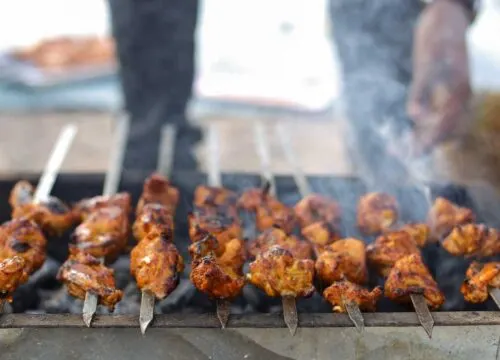
These flavorful skewers of marinated meat (usually beef, goat, or chicken) are grilled over charcoal and served with sliced onions, chilies, and a squeeze of lime. They make perfect quick snacks or light meals.
Where to find them: Look for vendors with small grills set up along busy streets in the evening. The aroma will likely guide you to them before you even see them.
Vitumbua: Sweet Rice Pancakes
These small, spongy rice flour pancakes are slightly sweetened and cooked in special round molds. They’re particularly popular for breakfast or as an afternoon snack with a cup of chai.
The perfect pair: Vitumbua are often served with a sweet coconut sauce for dipping or alongside a spicy bean soup for an interesting sweet-savory combination.
Zanzibar Pizza: Not What You Might Expect
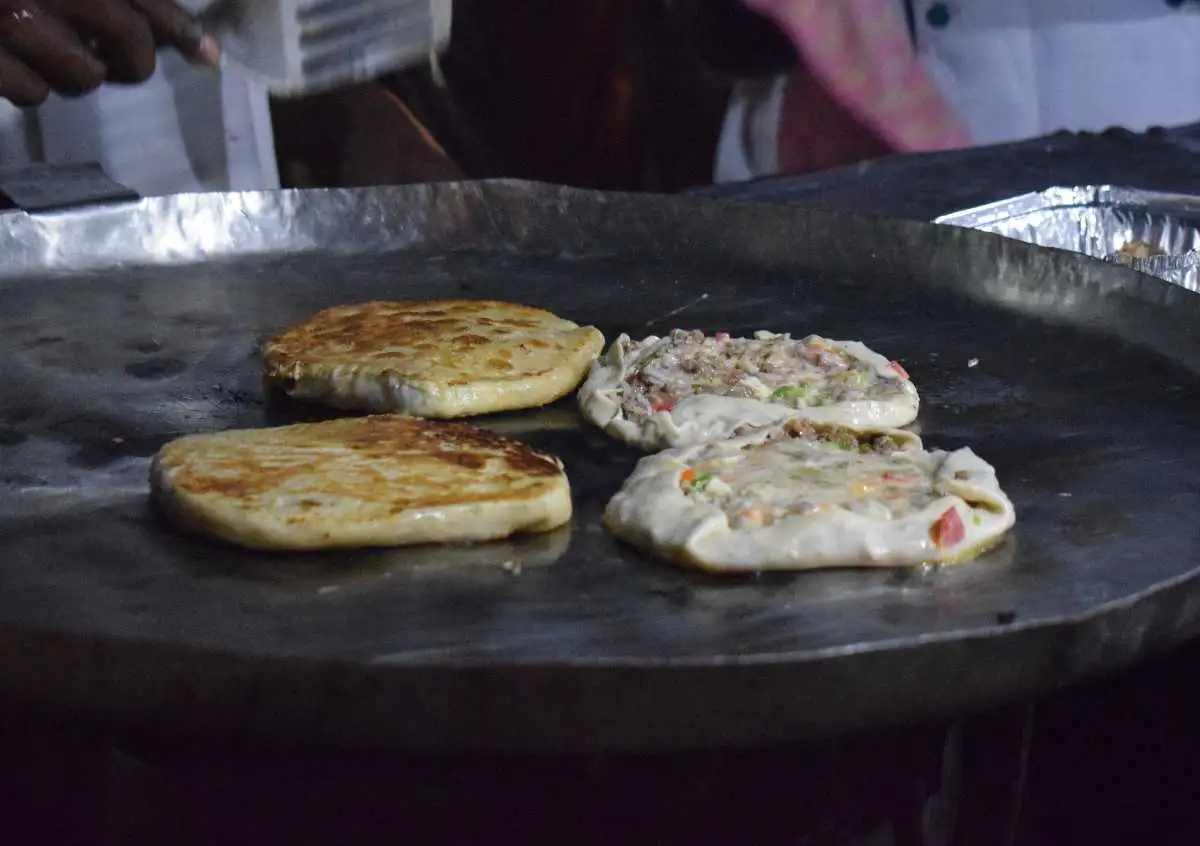
Despite its name, this street food favorite is more like a filled crepe than an Italian pizza. A thin dough is filled with your choice of ingredients – from savory options like minced meat, cheese, and vegetables to sweet versions with chocolate, banana, and honey.
Best spot to try it: Forodhani Gardens night market in Stone Town, Zanzibar, is famous for its Zanzibar pizzas. Watch as the skilled vendors prepare them right before your eyes.
What to Drink in Tanzania
Tanzania’s Coffee Culture
Growing on the slopes of Mount Kilimanjaro and in the southern highlands, Tanzanian coffee is known worldwide for its bright acidity and rich, complex flavors. A visit to a coffee plantation can be a highlight of any food-focused trip to Tanzania.
Coffee experiences: Many lodges and hotels serve locally-grown coffee. For a deeper dive, visit Union Café in Moshi or one of the specialized coffee shops in Arusha that showcase local beans.
Traditional and Local Drinks
Must-try beverages:
- Chai ya Tangawizi – Spiced tea with ginger, a comforting everyday drink
- Ulanzi – A traditional bamboo wine from the southern highlands